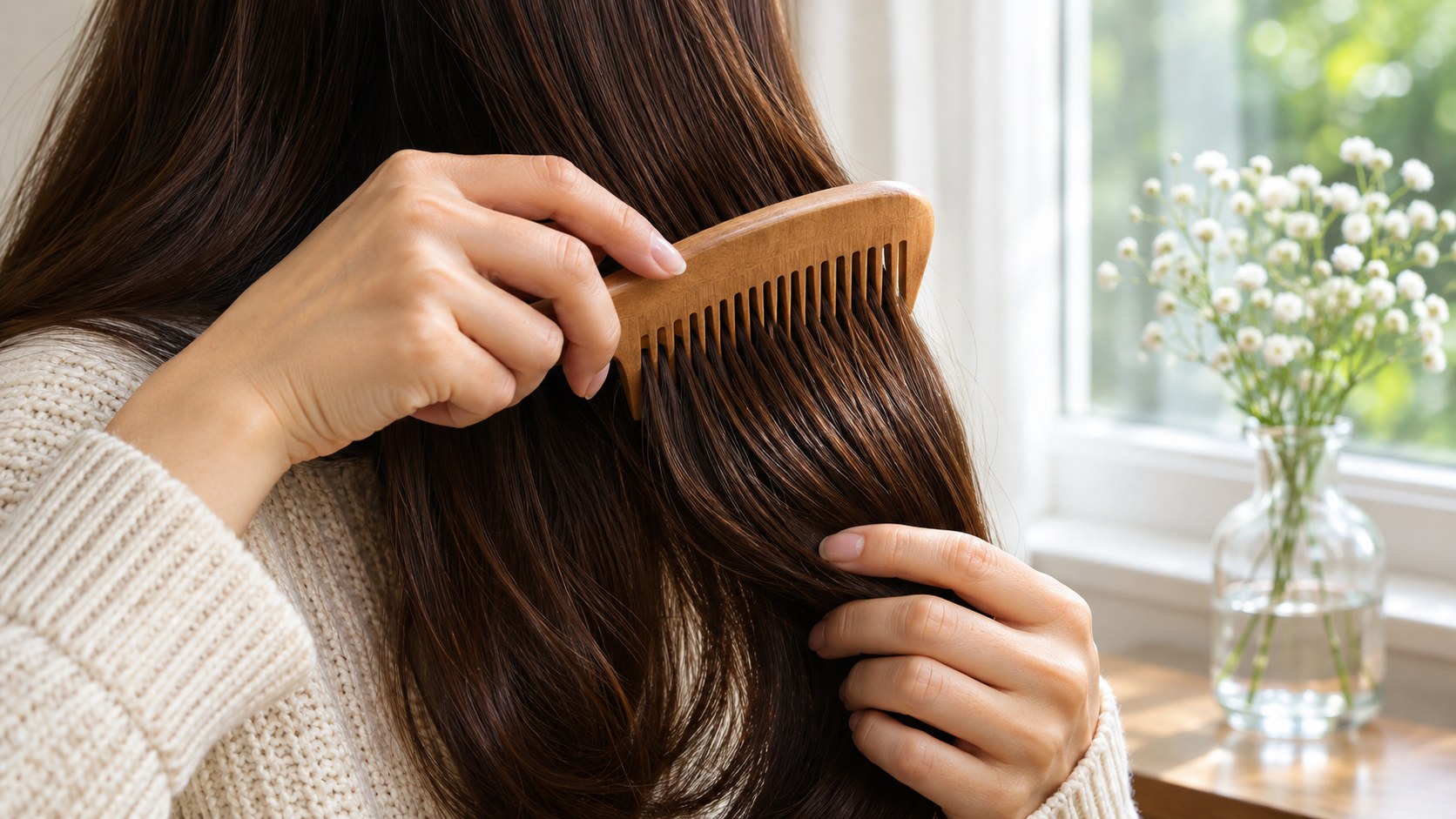
What Helps Hair Growth—and What Is Just Marketing?
A shampoo promising rapid growth can be tempting, especially when you notice more hair in the brush. But hair loss has many causes, and the best next step depends on what is happening to the scalp and hair follicles.
Start with the cause
Gradual pattern thinning, sudden shedding after illness, tight hairstyles, scalp inflammation and nutrient deficiencies are different problems. A dermatologist can examine the pattern, ask about medicines and recent health changes, and decide whether tests are useful. Sudden loss, patchy bald areas, scalp pain or rapid change deserve professional attention.
Treatments depend on the diagnosis
For some people with female-pattern hair loss, topical minoxidil is an established option. The American Academy of Dermatology notes that results take months and the benefit generally requires continued use. Temporary increased shedding and scalp irritation can occur. It is not the right treatment for every type of hair loss.
Discuss treatments with a clinician, particularly if you are pregnant, breastfeeding, have a medical condition or take other medicines. Prescription medicines and procedures have their own risks and are not interchangeable.
Look beyond the label
Gentle shampoo and conditioner can improve the condition and appearance of hair, but a product claim is not proof that it can reverse a specific medical cause. Avoid tight styles, harsh chemical treatments and excessive heat if they damage or break hair.
Adequate food and protein support general health. A clinician may investigate iron, thyroid function or other causes when appropriate. Supplements are not a guaranteed shortcut; excess amounts of some nutrients can make hair loss worse.
Ask for evidence relevant to your diagnosis, realistic timescales and the total cost before committing to a treatment. This is general information, not individual medical advice.